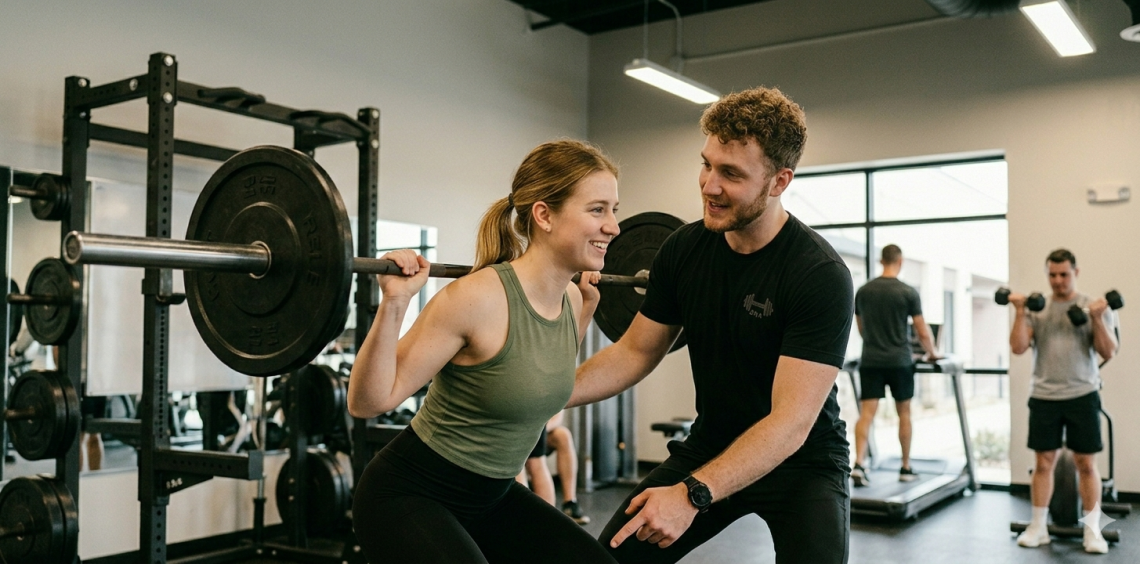
How to Choose the Right Personal Trainer for Your Fitness Goals
Choosing the right personal trainer is one of the most critical steps in your physical transformation or journey toward a healthier lifestyle. Whether you want to lose weight, build muscle, or improve overall fitness, working with a professional can fast-track your results—but only if you make the right choice.
Here is your guide to finding the perfect fitness partner.
1. Define Your Fitness Goals
The first step in choosing a personal trainer is knowing exactly what you want to achieve. Common goals include:
Healthy Weight Loss: Shedding fat while maintaining energy.
Muscle Growth: Hypertrophy and strength training.
Body Toning: Improving definition and firmness.
Mobility & Flexibility: Enhancing range of motion.
Cardiovascular Endurance: Boosting heart health and stamina.
A great trainer doesn’t use a “one-size-fits-all” approach; they adapt their methods to your specific needs. Without a clear goal, even the best coach cannot guide you effectively.
2. Verify Experience and Specialization
Not all personal trainers are the same. Your choice should be based on real-world experience and a proven track record. Look for:
Practical Experience: How long have they been coaching?
Relevant Specialization: Do they specialize in your specific goal?
Real Results: Look for testimonials and client transformations, not just curated social media photos.
Pro Tip: If your goal is sustainable weight loss, choose a trainer experienced in metabolic health and body transformations, rather than one who only trains professional athletes.
3. Ensure Style and Personality Compatibility
The chemistry between you and your trainer is essential for long-term success. Consider their coaching style:
High-Energy: Motivational and “cheerleader” types.
Technical: Detail-oriented and focused on biomechanics.
Empathetic vs. Strict: Some need a gentle hand, others need a “drill sergeant.”
If you don’t feel comfortable, you will likely quit—no matter how qualified the trainer is.
4. The Importance of Communication
A professional personal trainer does more than just count reps. They should:
Listen to your needs and concerns.
Adapt workouts based on your daily feedback (energy levels, pain, or stress).
Explain the “why” behind every exercise.
Build a relationship based on mutual trust.
Effective communication is a two-way street: you provide honest feedback, and the trainer adjusts the program without being rigid.

5. Personalized Programs vs. Standard Plans
A customized fitness program is the only way to ensure steady progress. Avoid trainers who offer:
Identical “cookie-cutter” plans for every client.
General routines without an initial physical assessment.
A true professional will conduct an initial evaluation, take your lifestyle into account, and constantly adjust the program as you evolve.
6. Education for Long-Term Autonomy
A top-tier trainer doesn’t just tell you what to do—they teach you. They should educate you on:
Proper Form: How to execute movements safely.
Body Mechanics: How your muscles work.
Sustainability: How to maintain your results for life.
The ultimate goal isn’t dependency; it’s giving you the knowledge to eventually manage your own fitness.
7. Building Trust and Motivation
Your relationship with your trainer is a partnership. Choose someone you can communicate with easily and in whom you have absolute confidence. Without trust, even the most scientifically perfect workout plan can fail.
Your Checklist for Success
To get real results, you need four key elements:
Clear Goals: Set short, medium, and long-term milestones.
Personalization: A plan tailored to your age, weight, and fitness level.
Effective Communication: Ensure they understand your medical history and availability.
Mutual Trust: Follow the advice and stick to the program outside of the gym.
A personal trainer doesn’t just change your body—they change your mindset. By providing constant support, checking your progress, and adjusting intensity, they provide the blueprint you need to become the best version of yourself.
Article by Sergiu Balaceanu

You May Also Like

The life of Miyamoto Musashi

Importance and Benefits of Regular Blood Donation
